


認識波蘭語言
為了鼓勵更多旅客探索波蘭,我們推出了一個特別的宣傳活動:
「Hard to read, easy to…」
靈感來自於許多人覺得波蘭語初看複雜——單字常常很長,發音獨特。
但別擔心!雖然 波蘭語可能難念,但 波蘭這個國家卻容易喜歡、容易享受、也容易愛上。
透過這個活動,我們希望呈現波蘭不僅擁有豐富的歷史與深厚的文化傳統,也是 現代、友善、充滿活力 的國家,熱情迎接來自世界各地的訪客。
看看這個活動內容,讓自己受到啟發,並愛上波蘭吧。
因為即使招牌上的文字看起來有點複雜——
當地人的溫暖、自然的美景、文化的深度
都會讓你瞬間感覺賓至如歸。
HARD TO READ, EASY TO SEE
難以閱讀,卻容易看見
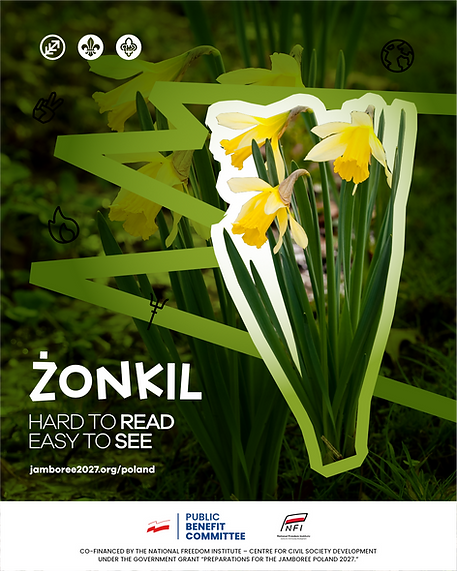
The word żonkil may sound unusual, yet it carries deep meaning in Polish culture. Every spring, bright yellow daffodils bloom across the country as living symbols of remembrance and hope. They are worn to honour the bravery of those who stood up for freedom and dignity during Poland’s most difficult times. To Poles, the żonkil is more than a flower - it’s a gentle reminder that from pain, new life and light can grow. It fills the streets with colour, memory and gratitude.
「żonkil」一詞聽起來或許特別,但在波蘭文化中卻蘊含深遠的意義。每年春天,鮮黃色的水仙花在全國綻放,成為懷念與希望的活生生象徵。這些徽章是為了紀念那些在波蘭最艱難時期為自由與尊嚴挺身而出的勇士。對波蘭人來說,żonkil 不僅僅是花朵——它是溫柔的提醒,告訴我們痛苦中能孕育出新的生命與光明。它讓街道充滿色彩、回憶與感恩。

The pszczoła - the bee - is small, yet it hums at the very heart of Polish life. Its golden honey sweetens traditional desserts, while its image decorates folk art and embroidery from the Tatra Mountains to the Baltic coast. The bee symbolises hard work, community and harmony with nature - values deeply rooted in Polish identity. In every buzzing meadow, it reminds us that beauty and strength often come in the smallest forms.
pszczoła(蜜蜂)雖然小巧,卻在波蘭生活的核心輕聲吟唱。其金黃蜂蜜為傳統甜點增添甜味,其圖案則裝飾著從塔特拉山脈到波羅的海海岸的民間藝術與刺繡。蜜蜂象徵勤奮、社群與自然和諧——這些價值觀深植於波蘭身份認同中。在每片熱鬧的草地上,它提醒我們,美麗與力量往往以最微小的形式出現。

The Żuraw of Gdańsk is one of Poland’s most iconic landmarks - a great wooden port crane that once ruled the Baltic shoreline. Built in the 15th century, it served as both a working machine and a gateway to the world, lifting goods and dreams from distant shores. Through wars, fires and rebirth, the Żuraw has stood proudly over the Motława River, a symbol of Polish ingenuity, resilience and connection with the sea. To see it is to witness the strength of a nation built on craftsmanship and courage.
格但斯克的Żuraw是波蘭最具代表性的地標之一——一座巨大的木製港口起重機,曾經統治波羅的海海岸線。建於 15 世紀,它既是運作的機器,也是通往世界的門戶,從遙遠的海岸帶走貨物與夢想。經歷戰爭、火災與重生,Żuraw 驕傲地矗立在莫特瓦瓦河畔,象徵著波蘭的智慧、韌性與與海洋的連結。親眼見證這個建立在工藝與勇氣基礎上的國家的力量。
HARD TO READ, EASY TO EAT 難以閱讀,卻容易飲食

Bright pink and full of freshness, chłodnik is a chilled beetroot soup that captures the essence of a Polish summer. It’s made with garden vegetables, creamy yoghurt and a touch of dill - light, fragrant and full of colour. In Poland, it’s more than a dish - it’s a ritual of slowing down on a hot day, of gathering around the table and tasting the season. The first spoonful feels like a breeze after a long walk through sunlit fields.
鮮豔的粉紅色,充滿清新氣息,chłodnik 是一道冰鎮甜菜湯,完美捕捉了波蘭夏天的精髓。它用園藝蔬菜、濃郁優格和一點蒔蘿製成——輕盈、香氣濃郁且色彩豐富。在波蘭,它不只是一道菜——它是一種在炎熱天氣放慢腳步、圍坐在桌邊品嚐季節的儀式。第一口就像長途走過陽光田野後的微風。

At first glance, gołąbki may sound strange - it literally means “little pigeons”. But this comforting dish has nothing to do with birds. Cabbage leaves are carefully wrapped around rice and minced meat, then simmered slowly in tomato sauce. It’s a humble, home-cooked meal found on Polish tables for generations, bringing warmth, love and care with every bite. For many, gołąbki taste like childhood and family.
乍看之下,gołąbki 聽起來可能有些奇怪——字面意思是「小鴿子」。但這道安慰人的料理和鳥類無關。高麗菜葉會小心地包裹在米飯和絞肉中,然後慢慢用番茄醬燉煮。這是一道樸實的家常菜,世代在波蘭餐桌上流傳,每一口都帶來溫暖、愛與關懷。對許多人來說,gołąbki 嘗起來像童年和家庭。

Soft, golden and filled with fruit or sweet cheese, the drożdżówka is a beloved Polish pastry. You’ll find it in every bakery - eaten on the go, with coffee, or shared at breakfast. For Poles, it’s more than a snack - it’s nostalgia wrapped in dough, a reminder of school mornings, weekend markets and summer holidays. Its sweetness is simple, but it lingers, just like a good memory.
軟嫩、金黃,內餡充滿水果或甜起司,drożdżówka 是深受喜愛的波蘭糕點。你在每家麵包店都能找到它——無論是隨手攜帶、配咖啡,或早餐共享。對波蘭人來說,這不僅僅是點心——它是包裹在麵團裡的懷舊,提醒著人們學校早晨、週末市集和暑假。它的甜美簡單,卻揮之不去,就像美好的回憶。
HARD TO READ, EASY TO HEAR
難以閱讀,卻容易傾聽
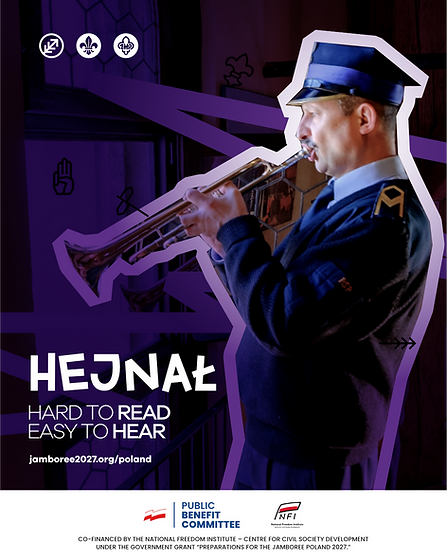
Every hour, from the tower of St. Mary’s Church in Kraków, the hejnał - a trumpet melody - rises above the city. It’s played by a real trumpeter who stops mid-note, honouring a legend of bravery that has echoed for centuries. The hejnał is more than music - it’s a heartbeat of Polish history, a reminder that courage can live forever in sound. When it plays, Kraków listens, and the world listens with it.
每小時,從克拉科夫聖母教堂的塔樓上, 海納爾號角旋律會升起,籠罩城市之上方。這首歌由一位真正的小號手演奏,他在音符中途停止,向這位流傳數百年的勇氣傳奇致敬。hejnał 不僅僅是音樂——它是波蘭歷史的心跳,提醒我們勇氣可以永遠存在於聲音中。當它演奏時,克拉科夫聆聽,世界也隨之聆聽。

When evening settles over the Polish countryside, the świerszcz - the cricket - begins its gentle concert. Its rhythmic song fills the air between old barns, haystacks and open fields, blending into the sounds of rural life. It’s a melody of calm, marking the end of a summer day and the timeless dialogue between humans and nature. In its quiet persistence lies something deeply Polish - peace, patience and poetry.
當夜幕降臨波蘭鄉間時,蟋蟀(świerszcz)開始輕柔的音樂會。它節奏感十足的歌聲在舊穀倉、乾草堆和開闊田野間迴盪,融入鄉村生活的聲音中。這是一首平靜的旋律,標誌著夏日的結束,以及人與自然之間永恆對話的時刻。在這份寧靜的堅持中,蘊含著深具波蘭特色的東西——和平、耐心與詩意。
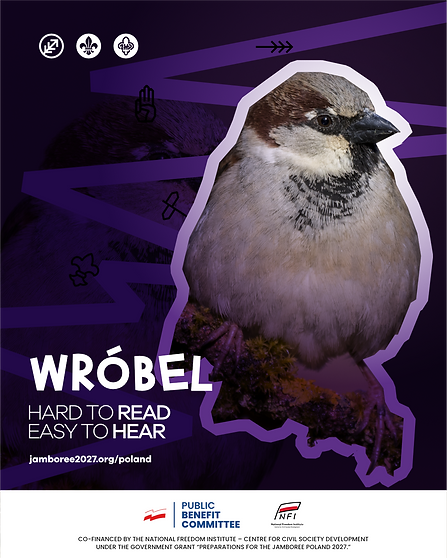
The wróbel, or sparrow, may be small, but it carries the heartbeat of Polish towns. You’ll hear its cheerful chirping from cobbled courtyards and busy marketplaces, where people stop to chat or share a meal outdoors. It’s a sound so ordinary that it becomes extraordinary - a reminder of everyday life, connection and simple joy. To hear the wróbel is to hear the pulse of home.
wróbel或稱麻雀,雖然體型小,卻承載著波蘭城鎮的心跳。你會聽到它從鵝卵石庭院和熱鬧的市集中聽到牠愉快的鳴叫,人們會停下來聊天或在戶外共進餐點。這種聲音平凡卻變得非凡——提醒著日常生活、連結與簡單的喜悅。聽聽 wróbel 就是聽家鄉的脈動。
HARD TO READ, EASY TO CHERISH
難以閱讀,卻容易珍惜
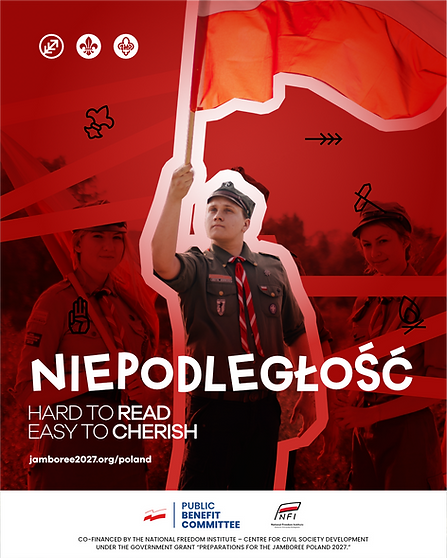
Niepodległość means independence - a word carried in every Polish heart. It speaks of the long journey through partitions, uprisings and wars, and of a nation that refused to be silenced. To Poles, freedom is never taken for granted - it is something to be lived, defended and celebrated. Each November, candles, flags and voices remind the world that liberty was hard-won, and remains deeply cherished.
Niepodległość 意指獨立——這個詞深植每個波蘭人心中。它講述了漫長的分治、起義與戰爭旅程,以及一個拒絕被噤聲的國家。對波蘭人來說,自由從不被視為理所當然——它是值得實踐、捍衛和慶祝的事物。每年十一月,蠟燭、旗幟與聲音提醒世界,自由是來之不易,且依然被深深珍惜。

The word Solidarność - “Solidarity” - changed not only Poland, but the world. Born in the Gdańsk shipyards in 1980, it united workers, artists and thinkers in a peaceful movement for freedom and dignity. It showed that true strength lies in unity and shared belief. Today, Solidarność remains a proud symbol of Polish courage, perseverance and hope.
“Solidarity”「 團結 」這個詞——“Solidarity”「團結」——不僅改變了波蘭,也改變了全世界。該組織於 1980 年在格但斯克造船廠誕生,團結了工人、藝術家與思想家,展開一場爭取自由與尊嚴的和平運動。它展現了真正的力量在於團結與共同信念。如今, 團結工會依然是波蘭勇氣、堅持與希望的驕傲象徵。
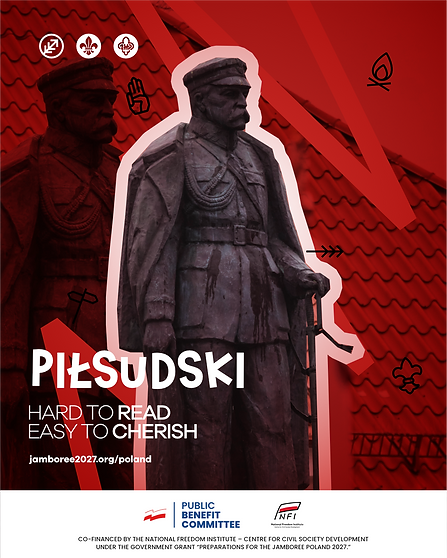
The name Piłsudski belongs to one of Poland’s most respected leaders - Józef Piłsudski, a visionary who helped restore independence after more than a century of partitions. He believed in courage, education and the spirit of unity as the foundation of a free nation. His legacy lives on in every school named after him, in parades, and in the national pride he helped revive. To remember Piłsudski is to remember the power of determination.
皮爾蘇茲基Piłsudski這個名字來自波蘭最受尊敬的領袖之一—— 約瑟夫·皮爾蘇茲基 ,他是一位遠見卓識的人物,幫助在經歷了一個多世紀的分裂後恢復獨立。他相信勇氣、教育與團結精神是自由國家的基礎。他的遺產在每所以他命名的學校、遊行以及他協助復興的國家自豪感中得以延續。記住畢蘇斯基,就是記住決心的力量。